


داربستهای زیستفعال شیشه زیستی/بتا-تریکلسیم فسفات آلاییده با روی و کبالت، ساختهشده به روش روبوکست، برای بازسازی استخوان
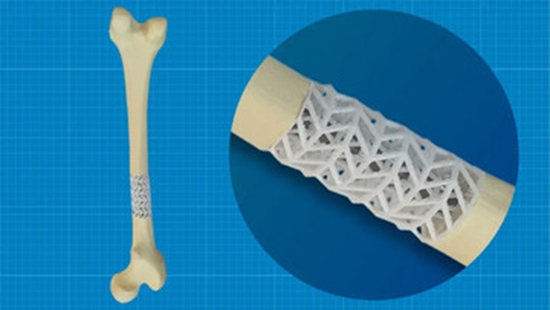
داربستهای چاپ سهبعدی شیشه زیستی/بتا-تریکلسیم فسفات آلاییده با روی و کبالت به روش روبوکست برای بازسازی استخوان
Robocast Zn- and Co-doped bioactive glass/tricalcium phosphate scaffolds for bone regeneration
نویسندگان:
Mahdieh Hajian Monfared 1, Sanam Mohandesnezhad 2 3, Mahmoud Azami 4 5 6, Saeed Samani 2
مجله: Journal of Biological Engineering
چکیده فارسی:
مهندسی بافت استخوان به داربستهایی نیاز دارد که علاوه بر استحکام مکانیکی مناسب، از توانایی تحریک بازسازی استخوان نیز برخوردار باشند. در این پژوهش، داربستهای متخلخل سهبعدی متشکل از شیشه زیستی 45S5 و بتا-تریکلسیم فسفات (β-TCP) با استفاده از فناوری چاپ سهبعدی روبوکست ساخته و با یونهای روی (Zn²⁺) و کبالت (Co²⁺) آلاییده شدند تا عملکرد آنها در بازسازی استخوان بهبود یابد.
نتایج نشان داد داربستهای حاوی ۳ درصد روی و ۱ درصد کبالت از زیستسازگاری بالایی برخوردار بوده و بیش از ۹۰ درصد بقای سلولهای بنیادی مزانشیمی مشتق از بافت چربی انسان را حفظ کردند. همچنین این داربستها دارای استحکام فشاری مشابه استخوان اسفنجی بوده و تشکیل هیدروکسیآپاتیت را بهطور قابلتوجهی تسریع کردند.
بررسیهای زیستی نشان داد آلایش با روی عمدتاً مراحل اولیه استخوانسازی را تقویت کرده و موجب افزایش بیان کلاژن نوع I و فعالیت آلکالین فسفاتاز شد، در حالی که آلایش با کبالت مراحل نهایی بلوغ استخوان را بهبود بخشید و با افزایش بیان استئوکلسین و معدنیشدن ماتریکس استخوانی همراه بود. در مجموع، این پژوهش نشان میدهد ترکیب یونهای روی و کبالت در داربستهای شیشه زیستی/بتا-تریکلسیم فسفات میتواند با ایجاد اثرات مکمل در مراحل مختلف استخوانسازی، گزینهای امیدبخش برای ترمیم نقایص استخوانی تحملکننده بار باشد.
کلمات کلیدی:
چاپ سهبعدی، داربست شیشه زیستی/بتا-تریکلسیم فسفات (BG/TCP)، مهندسی بافت استخوان، سلولهای بنیادی مزانشیمی مشتق از بافت چربی انسان (hADMSCs)
DOI مقاله: 10.1186/s13036-025-00585-x
لینک مقاله: https://pmc.ncbi.nlm.nih.gov/articles/PMC12817833/
Abstract
BACKGROUND: Bone tissue engineering requires scaffolds that synergize mechanical strength with bioactivity. This study aimed to develop and characterize 3D-printed zinc (Zn)- and cobalt (Co)-doped 45S5 bioactive glass (BG)/β-tricalcium phosphate (TCP) composite scaffolds for enhanced bone regeneration. METHODS: Sol-gel-synthesized BG powders, doped with 3–15% Zn or 1–5% Co, were combined with TCP (50:50 ratio) to fabricate porous scaffolds via robocasting. Scaffolds were screened for cytocompatibility (MTT assay) and ion release (ICP-OES). The optimal compositions (3% Zn and 1% Co) were characterized for mechanical strength, in vitro bioactivity in SBF, and osteogenic potential using hADMSCs through qPCR, ALP activity, immunocytochemistry, and Alizarin Red staining. RESULT: The 3% Zn- and 1% Co-doped scaffolds demonstrated excellent cytocompatibility (≥ 90% hADMSC viability) with controlled ion release. They exhibited compressive strengths of 15.67–20.24 MPa, matching cancellous bone, and significantly accelerated hydroxyapatite formation in SBF. Biologically, the scaffolds induced distinct, stage-specific osteogenic responses. Zn-doping preferentially enhanced early osteogenesis, marked by significantly higher collagen type I (COL-1) expression at day 21 and the highest ALP activity at day 14. In contrast, Co-doping specifically promoted late-stage maturation, resulting in superior osteocalcin (OCN) expression and a 2.5-fold increase in calcium mineralization compared to undoped controls, as quantified by Alizarin Red staining. Immunocytochemistry confirmed this trend, with robust expression of both COL-1 and osteopontin in the doped groups. CONCLUSION: The results demonstrate that Zn²⁺ and Co²⁺ ions confer complementary biological functions within BG/TCP scaffolds, effectively promoting sequential stages of osteogenesis. The robocast scaffolds successfully combine mechanical competence with enhanced osteoinductivity, presenting a highly promising platform for the repair of load-bearing bone defects.
Keywords: 3D-printing; BG/TCP scaffold; Bone tissue engineering; hADMSCs.


ارسال نظر